
There’s nothing more frustrating than running out of power points, or realising they’re in all the wrong places after you’ve moved in. Whether you’re building a new home, renovating, or just modernising your electrical setup, smart power point placement can make daily life far more convenient and your home more functional.
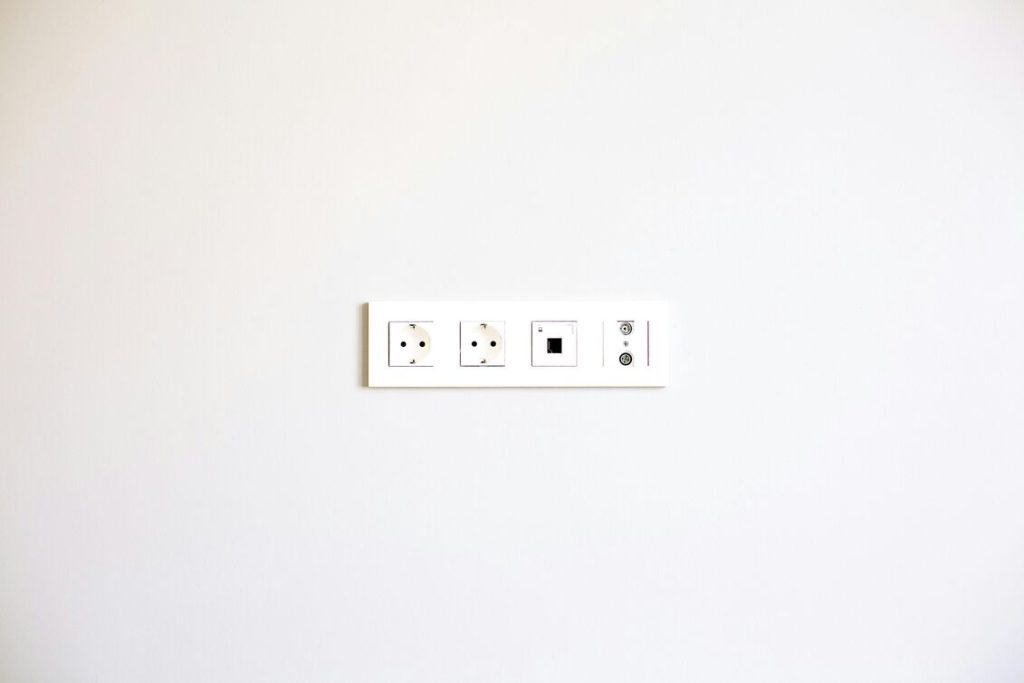
Why Power Point Placement Matters
The right number and placement of power points can:
- Reduce the need for messy extension cords
- Make everyday tasks more convenient
- Improve electrical safety and compliance
- Add long-term value to your home
By planning ahead, you can future-proof your home for new technology, appliances, and lifestyle needs.
Living Room and Lounge Areas
Your living room is where comfort meets connection, so power access is essential.
Where to install:
- On either side of the TV unit for entertainment systems, streaming devices, and soundbars
- Besides sofas or reading chairs for charging phones, laptops, or lamps
- Near corners or skirting boards to keep cords tidy and out of sight
- Behind floating cabinetry for a clean, modern finish
Kitchen and Dining Areas
The kitchen is one of the busiest electrical zones in the home. Convenience and safety are key.
Where to install:
- Above benchtops for small appliances like toasters, blenders, and kettles (typically 150mm above the bench)
- Inside pantry cupboards for hidden charging stations or small appliances
- On kitchen islands for quick access while cooking or charging devices
- In the dining area for flexible use of laptops, heaters, or festive lighting
Make sure all outlets near sinks comply with AS/NZS 3000 electrical safety standards and are installed by a licensed electrician.
Bedrooms
Bedrooms are becoming multi-use spaces for rest, work, and even charging gadgets overnight.
Where to install:
- On both sides of the bedhead for lamps, alarm clocks, and phone chargers
- At a desk or vanity for laptops, hairdryers, or other devices
- Near wardrobes or mirrors for convenience
- If you have a TV mounted on the wall, include a hidden power point behind it
Bathrooms
Bathrooms require strict electrical safety compliance, so outlet placement must be carefully planned.
Where to install:
- Near the vanity (but outside the immediate splash zone) for shavers, toothbrushes, or hairdryers
- Inside mirror cabinets with integrated GPOs for a seamless look
- Higher wall placements for heated towel rails or LED mirrors
Always ensure a licensed electrician installs bathroom outlets in accordance with Australian Standards (AS/NZS 3000) and local regulations.
Home Office
With remote work now the norm, your home office deserves special attention.
Where to install:
- Multiple outlets near the desk area for monitors, printers, and chargers
- Along walls and skirting boards to reduce cable clutter
- Behind built-in shelving or cabinetry for tidy cable management
Laundry and Utility Areas
The laundry often gets overlooked, but it’s a hub of high-power appliances.
Where to install:
- Behind or above washing machines and dryers
- Near benchtops or sinks for irons or garment steamers
- At waist height for easy access
If you’re building new, plan outlets for future additions like heat pump dryers or smart laundry appliances.
Outdoor Areas
Outdoor power points are essential for modern Aussie living, from barbecues to backyard lighting.
Where to install:
- On patio or pergola posts for lighting, speakers, or heaters
- Near garden edges for electric tools or water features
- Close to outdoor kitchens or BBQs for fridges and appliances
- Besides driveways or carports for pressure washers or EV chargers
Outdoor outlets must have the correct IP rating (Ingress Protection), at least IP44 for covered areas or IP65 for exposed zones.
Hallways and Entryways
While not traditionally a high-use area, a few well-placed outlets here can be surprisingly handy.
Where to install:
- Near entry tables for lamps or diffusers
- Along hallways for vacuum cleaners or Christmas lights
- By the front door for charging devices or smart home systems
It’s all about anticipating convenience in the little moments.
Garage or Workshop
Garages and sheds are often underpowered, yet filled with tools, chargers, and hobby gear.
Where to install:
- Along benchtops and walls for tools, drills, or chargers
- At vehicle height for car vacuuming or pressure washers
- Near workbenches for lighting or small appliances
- Higher outlets for garage door motors or security cameras
If you plan to install an EV charger, your electrician can assess the load and circuit requirements to ensure it’s safely integrated.
Plan Smart, Install Safe
When it comes to power points, more is usually better, but placement and safety are key. Every outlet should be positioned for ease of access and comply with Australian wiring standards. An experienced electrician will help design a layout that suits your lifestyle, future needs, and home layout. At Airmelec, we install, upgrade, and relocate power points with precision, ensuring safety, compliance, and everyday convenience across your home.