
Accent lighting highlights features and adds visual interest, while task lighting provides focused illumination for specific activities. Accent lighting is used to enhance design elements such as artwork or architectural details, while task lighting improves visibility for activities like cooking, reading, or working. Both serve different purposes but work best together as part of a layered lighting design. Using the right type in the right place improves comfort, functionality, and the overall feel of a home. Accent lighting is decorative and used to highlight features, while task lighting is functional and designed to support specific activities. Combining both creates a balanced and practical lighting setup.
What Is Accent Lighting?
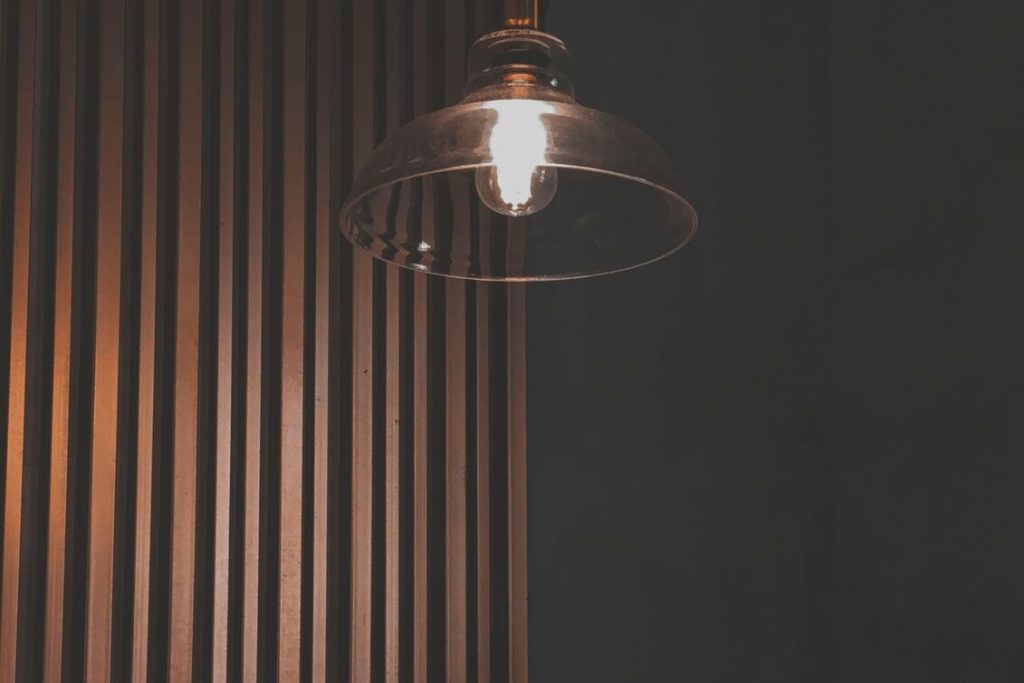
Accent lighting is designed to draw attention to specific features within a space. It adds depth, contrast, and visual interest, helping to create a more dynamic and inviting environment. Common uses include highlighting artwork, feature walls, shelving, or architectural details. Accent lighting is typically softer and more directional than general lighting, focusing on creating atmosphere rather than brightness.
What Is Task Lighting?
Task lighting is focused lighting that helps you perform specific activities. It provides clear, direct illumination exactly where it is needed, improving visibility and reducing eye strain. Examples include kitchen bench lighting, desk lamps, reading lights, and bathroom mirror lighting. Task lighting is generally brighter and more targeted than accent lighting.
Key Differences in Purpose
The main difference between accent and task lighting is their purpose. Accent lighting is primarily decorative, while task lighting is practical. Accent lighting enhances how a space looks, while task lighting improves how a space functions. Both are important, but they serve different roles within a home.
How They Affect the Feel of a Room
Accent lighting creates warmth and depth, making a room feel more inviting and visually appealing. It helps break up flat lighting and adds character to the space. Task lighting, on the other hand, ensures that areas used for work or daily activities are properly illuminated. It improves comfort by making tasks easier and safer to perform.
Where to Use Accent Lighting
Accent lighting works well in living rooms, hallways, and bedrooms where creating atmosphere is important. It can be used to highlight decorative elements or add subtle lighting to darker areas. It is often used alongside other lighting types rather than as the main source of light.
Where to Use Task Lighting
Task lighting is essential in areas where visibility is critical. Kitchens, home offices, bathrooms, and study areas all benefit from well-placed task lighting. It should be positioned to minimise shadows and glare while providing enough brightness for the task at hand.
Why You Need Both for Best Results
Relying on just one type of lighting often leads to an unbalanced space. Too much task lighting can feel harsh, while too much accent lighting can make a room impractical. Combining both creates a layered lighting design that balances function and style. This approach allows you to adjust lighting depending on the activity or time of day.
Choosing the Right Lighting for Your Home
Selecting the right mix of accent and task lighting depends on how each room is used. Living areas benefit from a greater focus on accent lighting, while work areas require stronger task lighting. A thoughtful combination ensures your home feels comfortable, functional, and visually appealing.
Create a Balanced Lighting Design
Understanding the difference between accent and task lighting helps you make better decisions when designing your home. Using both effectively creates spaces that are both practical and inviting. Airmelec provides expert indoor lighting solutions, helping homeowners design and install lighting systems that deliver comfort, functionality, and style.