

Smoke alarms are one of the simplest and most effective ways to protect your home and family from fire. But did you know that these life-saving devices have an expiry date? Many Aussie homeowners assume that once a smoke alarm is installed, it will work forever, but that’s far from true. Like any electronic device, smoke alarms wear out over time, and their sensors become less reliable.
Why Smoke Alarms Don’t Last Forever
Smoke alarms work using small sensors that detect particles in the air, typically via photoelectric or ionisation technology.
Over time, those sensors degrade due to:
- Dust and dirt buildup
- Humidity and temperature changes
- Insect entry
- Electrical wear in internal components
After years of exposure, the alarm’s ability to detect smoke accurately drops significantly. That means a slow or failed response during a real fire, which can be life-threatening. The Australian Standard AS 3786:2014 and most state regulations now require that all smoke alarms be replaced every 10 years from the date of manufacture, regardless of whether they still appear to work.
How to Check the Age of Your Smoke Alarm
You can easily check how old your alarm is, and whether it’s due for replacement.
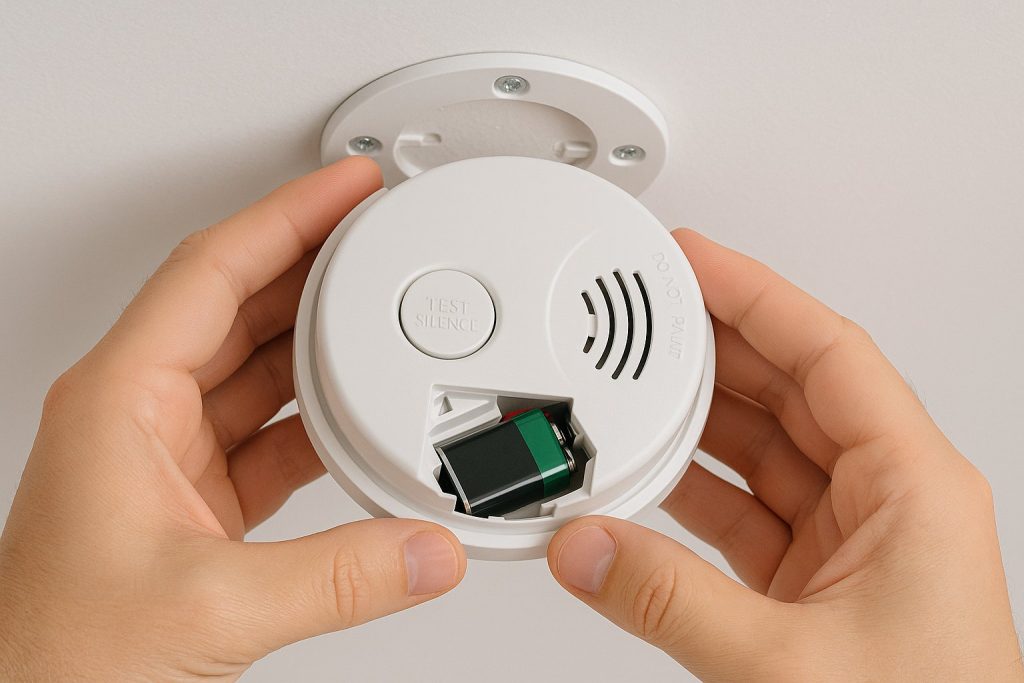
- Remove the alarm from its mounting plate.
- Turn it over to locate the manufacture date (usually printed or stamped on the back).
- If it’s more than 10 years old, or if you can’t find a date at all, it’s time to replace it.
Remember: the 10-year countdown starts from the manufacture date, not the installation date. So even if it’s only been on your ceiling for a few years, it could already be expired.
Signs Your Smoke Alarm Might Be Too Old
Even before the 10-year mark, you might notice signs that your alarm is on its way out. Look for:
- Frequent false alarms for no apparent reason
- Failure to sound during testing
- Faint or intermittent chirping even after a battery change
- Yellowing or discolouration of the casing
- Outdated design (older round or bulky units often predate modern safety standards)
If you notice any of these issues, don’t wait; replace the alarm immediately.
Why Upgrading to Modern Smoke Alarms Matters
Modern smoke alarms, particularly photoelectric models, are far more reliable, energy-efficient, and sensitive to the types of fires most common in Australian homes.
They’re also:
✅ Less prone to false alarms from cooking or steam
✅ Compliant with current Australian Standards (AS 3786:2014)
✅ Available in interconnected models, meaning if one detects smoke, all units sound simultaneously
✅ Offered in hardwired or 10-year lithium battery options
An upgrade ensures your home meets the latest safety and legal requirements, and gives you extra peace of mind.
Why DIY Replacement Isn’t Always Safe
While replacing a battery-operated alarm might seem simple, hardwired smoke alarms must legally be installed or replaced by a licensed electrician.
Professional installation ensures:
- Proper wiring and interconnection
- Compliance with local fire safety laws
- Correct positioning for maximum coverage
- Testing and certification for reliability
At Airmelec, our electricians make the process quick, safe, and fully compliant, whether you’re upgrading one alarm or your entire home system.
How to Keep Your Smoke Alarms Working Properly
Once you’ve replaced your old units, keep them in top condition with a simple maintenance routine:
- Test each alarm once a month using the test button
- Vacuum the exterior gently every six months to remove dust
- Replace batteries yearly (for non-lithium models)
- Replace the entire alarm every 10 years
A few minutes of maintenance can make all the difference in an emergency.
Protect Your Home the Smart Way
A smoke alarm past its expiry date isn’t just unreliable; it could be dangerous. Replacing outdated units with modern, compliant alarms is one of the easiest and most affordable ways to protect your home. Whether you need a single replacement or a full upgrade to interconnected photoelectric alarms, Airmelec provides professional installation that meets Australian Standards and local safety laws.