
Lighting layers combine ambient, task, and accent lighting to create a balanced, functional, and comfortable space. Ambient lighting provides overall illumination, task lighting supports specific activities, and accent lighting highlights features and adds depth. Using all three prevents harsh or flat lighting and allows flexibility throughout the day. Proper lighting design improves visibility, comfort, and the overall feel of a home. A layered approach ensures each room is both practical and visually appealing.
The Three Lighting Layers Explained
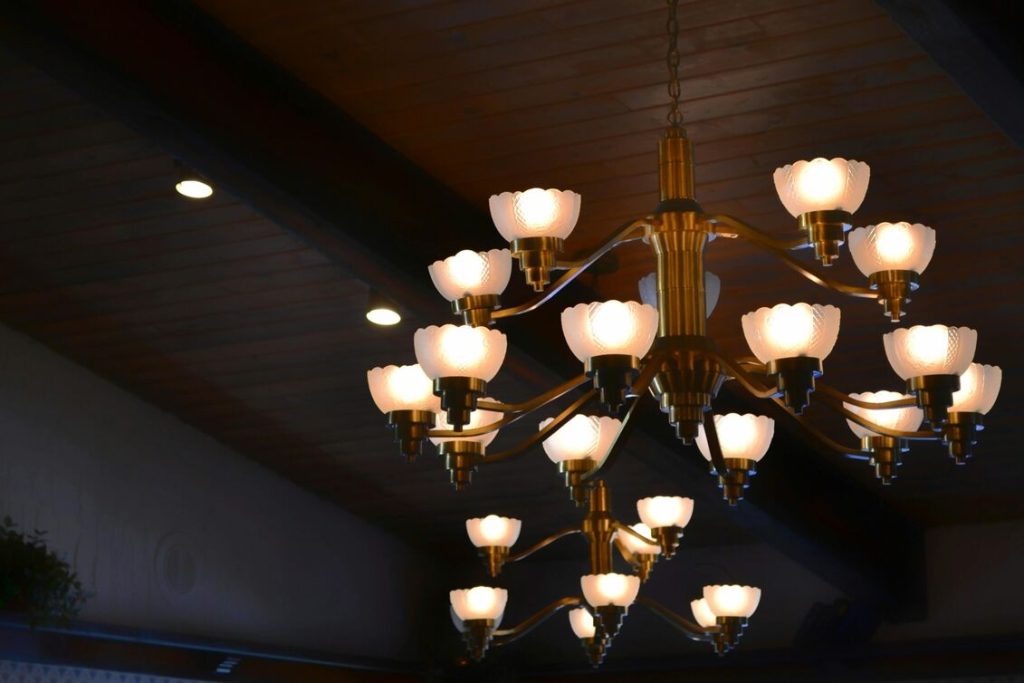
Ambient lighting provides general brightness, task lighting focuses on activities such as cooking or reading, and accent lighting adds depth by highlighting features. Together, they create a well-lit and comfortable environment.
Why Single Light Sources Don’t Work Well
Relying on a single ceiling light often results in harsh, uneven illumination. Rooms can feel flat, overly bright in some areas, and dim in others. This type of lighting does not adapt well to different activities or times of day. Layered lighting solves this problem by combining different light sources that work together to create balance, flexibility, and comfort.
Ambient Lighting: The Foundation of Every Room
Ambient lighting is the main source of light in a room. It provides general illumination so people can move around safely and comfortably. Common examples include ceiling fans, downlights, and large fixtures that spread light evenly. Ambient lighting should be bright enough to illuminate the entire space without causing glare or harsh shadows.
Task Lighting: Supporting Everyday Activities
Task lighting is designed to provide focused light for specific activities. This includes cooking, reading, working, or applying makeup. Examples include under-cabinet lighting in kitchens, desk lamps in home offices, and bedside lights for reading. Task lighting improves visibility and reduces eye strain by directing light where it is needed most.
Accent Lighting: Adding Depth and Style
Accent lighting highlights features within a room. It can be used to draw attention to artwork, architectural elements, or textured surfaces. Examples include wall lights, strip lighting, and spotlights. Accent lighting adds visual interest and helps create a warm, inviting atmosphere.
How Lighting Layers Work Together
When combined, ambient, task, and accent lighting create a flexible and well-balanced environment. Ambient lighting provides the base level of brightness, task lighting supports functionality, and accent lighting enhances the overall look. This layered approach allows you to adjust lighting depending on the time of day, activity, or mood.
Room-by-Room Lighting Layer Ideas
In kitchens, ambient lighting ensures general visibility, while task lighting brightens benchtops and cooking areas. Accent lighting can highlight splashbacks or cabinetry. Living rooms benefit from softer ambient lighting, supported by task lighting for reading and accent lighting to highlight design features. Bedrooms often use gentle ambient lighting combined with bedside task lighting and subtle accent lighting for a calm atmosphere.
Improving Comfort and Energy Efficiency
Layered lighting allows you to use only the lights you need, reducing unnecessary energy use. Instead of turning on all lights at once, you can select specific layers depending on the situation. Modern LED fittings and dimmers further improve efficiency while maintaining comfort and flexibility.
Create a Better Living Space with Layered Lighting
Lighting layers transform how a home looks and feels. By combining ambient, task, and accent outdoor lighting, you can create spaces that are practical, comfortable, and visually appealing.