
Choosing the right air conditioner size depends on room size, ceiling height, insulation, and how the space is used. A system that is too small will struggle to cool effectively, while an oversized unit may cycle too quickly and waste energy. Correct sizing ensures efficient performance, consistent comfort, and lower running costs. A licensed professional can assess your home and recommend the right capacity for each room.
Why Air Conditioner Size Matters
Selecting the correct air conditioner size is one of the most important decisions when installing a new system. Many homeowners assume bigger is better, but this is not always the case. An undersized unit will run continuously without achieving the desired temperature, while an oversized system may cool too quickly without removing humidity effectively. Both scenarios lead to discomfort and inefficient operation.
Understanding Cooling Capacity
Air conditioners are sized based on their cooling capacity, which refers to how much heat they can remove from a space. This capacity must match the size and characteristics of the room. Factors such as insulation quality, window size, and exposure to sunlight can significantly affect how much cooling is required.
Living Rooms and Open-Plan Areas
Living rooms and open-plan spaces typically require higher-capacity systems due to their larger size and frequent use. These areas often include multiple heat sources such as televisions, lighting, and people. Proper sizing ensures consistent cooling across the entire space without overworking the system.
Bedrooms and Smaller Spaces
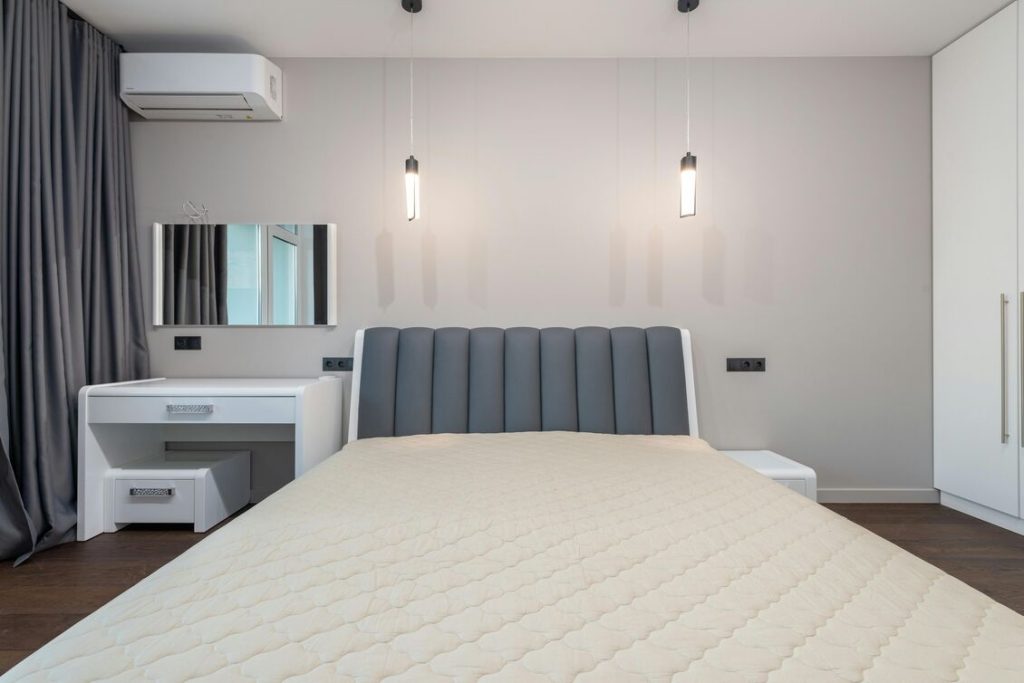
Bedrooms generally require smaller systems, but comfort is still essential, especially during hot Australian nights. A properly sized unit should provide quiet, efficient cooling without excessive airflow or noise. Correct sizing also helps maintain a stable temperature for better sleep quality.
Kitchens and High-Heat Areas
Kitchens generate additional heat from cooking appliances, making them more challenging to cool. Air conditioners in these areas may need higher capacity or careful placement to offset heat sources. Proper planning ensures the system can maintain comfort even during peak use.
Home Offices and Study Areas
Home offices require consistent and comfortable temperatures for productivity. Equipment such as computers can add to the heat load, so sizing should account for both room size and equipment usage. A well-sized unit provides reliable cooling without excessive noise or energy use.
Ceiling Height and Room Design
Higher ceilings increase the volume of air that needs to be cooled, which may require a larger system. Open layouts and connected spaces also affect airflow and cooling efficiency. Considering the full room design ensures the system performs as intended.
The Impact of Insulation and Sunlight
Rooms with poor insulation or large windows exposed to direct sunlight often require more cooling capacity. Heat gain from outside can significantly increase the demand on an air conditioning system. Improving insulation and shading can help reduce the required system size and improve efficiency.
Avoid Common Sizing Mistakes
Choosing an air conditioner based solely on price or general recommendations can lead to poor results. Each home is different, and proper sizing requires a tailored approach. Avoiding guesswork ensures long-term comfort and reduces the likelihood of future issues.
Get the Right Fit for Lasting Comfort
The right air conditioner size makes a significant difference in comfort, efficiency, and reliability. Proper sizing ensures your system performs well during Australia’s hottest days while keeping energy use under control. Airmelec provides expert air conditioning solutions, helping homeowners select and install systems that are correctly sized for every room and lifestyle.