
Home security cameras should be positioned to monitor key entry points and areas where people are likely to approach the property. Common locations include the front door, driveway, garage, side access, back door and outdoor entertaining areas. Cameras should provide a clear view without unnecessary blind spots, glare or obstructions. They should also be positioned with privacy and neighbouring properties in mind. Professional planning helps create effective coverage while ensuring cameras are securely installed and suited to their location.
Effective home security camera placement focuses on entrances, driveways, garages, side pathways and rear access points. Cameras should be positioned to capture useful footage while avoiding excessive height, poor lighting, obstructions and unnecessary views into neighbouring properties.
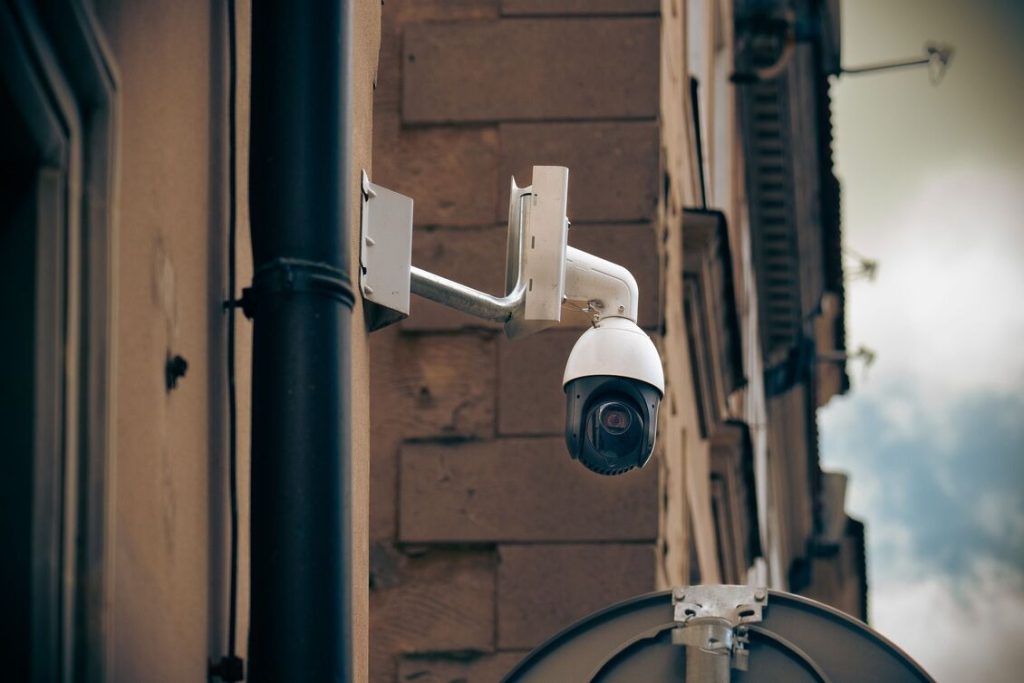
Why Camera Placement Matters
Buying good security cameras is only part of creating an effective home security system. Where those cameras are installed can have just as much impact on the quality and usefulness of the footage. A camera facing the wrong direction may miss an important entry point, while one installed too high may capture a wide area without providing useful detail. Strategic placement helps reduce blind spots and provides better awareness of activity around your property.
Front Door and Main Entrance
The front entrance is an obvious place to consider camera coverage because it is a regular access point for residents, visitors and deliveries. A camera positioned around the front entrance can help monitor people approaching the door and provide a record of activity around the entryway. Placement should account for the camera’s viewing angle, surrounding lighting and any objects that could obstruct the image. You can also read more about common entry points burglars use.
Driveways and Garages
Driveways are another valuable area to monitor, particularly where vehicles, tools or other equipment are stored around the property. A properly positioned camera can provide visibility over vehicles entering or leaving the driveway and activity near the garage. Where possible, positioning should minimise glare from headlights, direct sunlight and reflective surfaces that could reduce image quality.
Side Access and Pathways
The sides of a house can easily become security blind spots. These areas are often less visible from the street and may provide access to gates, backyards or rear doors. Installing cameras to monitor side pathways and gates can provide more complete perimeter coverage. Security lighting may also help improve visibility in areas that become particularly dark at night.
Back Doors and Rear Entrances
Rear entrances deserve the same attention as the front of the property. Back doors, laundry entrances and patio doors may be less visible to neighbours or people passing the property. Camera coverage in these areas can help monitor access while reducing blind spots around the rear of the home.
Outdoor Entertaining Areas
Alfresco areas, patios and other outdoor spaces may contain televisions, barbecues, furniture or other valuable items. Depending on the home’s layout, these areas may also provide direct access inside. A strategically positioned camera can provide useful coverage without unnecessarily recording private areas where household members regularly relax.
Consider Camera Height Carefully
Installing a camera as high as possible is not necessarily the best approach. A very high camera may provide broad coverage but make useful details harder to capture. The appropriate height depends on the camera, lens, property layout and area being monitored. Cameras should also be positioned where they are reasonably protected from accidental damage or tampering without compromising the required view.
Avoid Common Camera Blind Spots
Trees, fences, rooflines, parked vehicles and landscaping can all block a security camera’s field of view. These obstructions should be considered when planning installation. It is also worth thinking about how the property changes throughout the year. Growing trees or shrubs can gradually obstruct a camera that originally had a clear view.
Think About Lighting and Night-Time Visibility
Security cameras need suitable conditions to capture useful footage. Bright lights directed towards a camera can create glare, while extremely dark areas may reduce image quality depending on the equipment being used. Combining thoughtful camera placement with appropriately designed outdoor or security lighting can improve visibility around key areas after dark.
Don’t Overlook Privacy
Home security cameras should be positioned with privacy in mind. The goal is to monitor your property and relevant access points rather than unnecessarily capturing neighbouring homes or private spaces. Australian privacy and surveillance requirements can vary depending on the circumstances and jurisdiction, so homeowners should consider applicable rules when deciding where and how cameras will operate.
Wired or Wireless Camera Placement
The type of security system can also affect placement. Wired cameras require suitable cabling routes and power arrangements, while wireless systems still need reliable connectivity and, depending on the model, a power source or battery maintenance. Planning these requirements before installation helps avoid compromising camera positioning simply because a convenient connection is unavailable.
Create Better Security Coverage Around Your Home
Effective security camera placement starts with understanding how people can approach and enter your property. Covering the front entrance, driveway, garage, side access and rear areas can provide a more complete picture of activity around the home. Airmelec provides home security solutions that can help homeowners plan practical camera coverage around their property, reducing blind spots and improving everyday security. For more tips, see our guide to signs your home may need a security upgrade.