
Old wiring can be a hidden fire risk because insulation deteriorates, connections loosen, and systems become unable to handle modern electrical loads. Over time, this can lead to overheating, short circuits, and electrical faults that may go unnoticed. Older wiring may also lack proper protection from modern safety devices. These issues increase the risk of electrical fires. A licensed electrician can inspect and upgrade wiring to improve safety and ensure compliance with Australian Standards. Signs of old wiring include flickering lights, burning smells, discoloured outlets, frequent circuit trips, buzzing sounds, and outdated insulation. These issues may indicate increased fire risk and should be inspected by a professional.
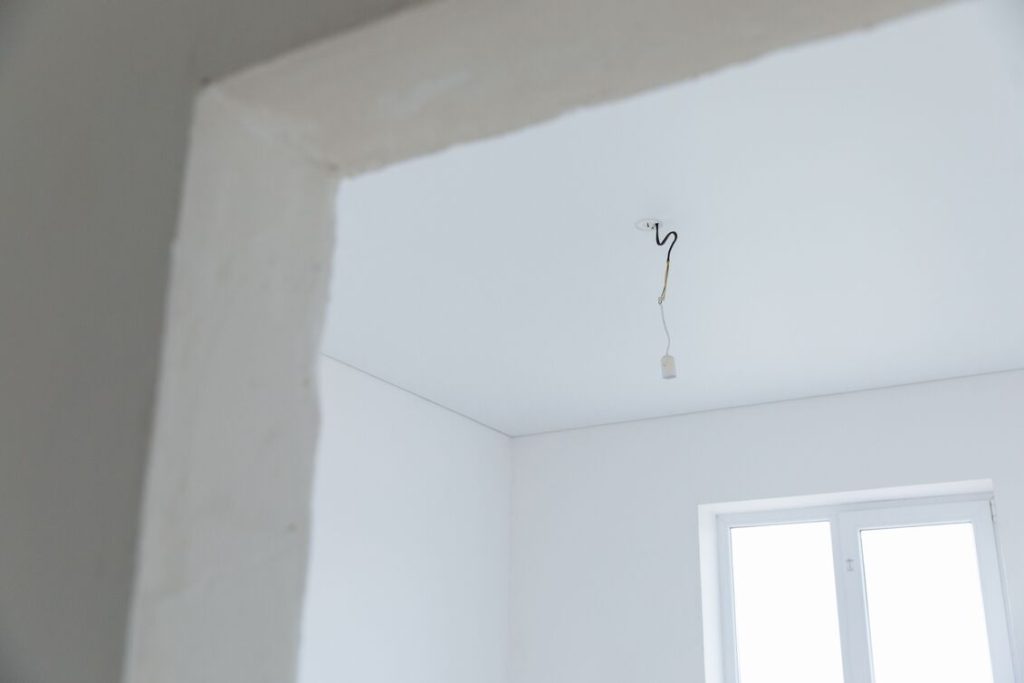
Why Wiring Deteriorates Over Time
Electrical wiring is designed to last for many years, but it does not last forever. Heat, age, and environmental factors gradually break down insulation and weaken connections. As materials degrade, wiring becomes less effective at safely carrying electrical current. This increases the likelihood of faults and overheating.
Older Homes Were Not Built for Modern Demand
Homes built decades ago were designed for a much lower level of electrical usage. Today’s homes rely on air conditioners, large kitchen appliances, entertainment systems, and multiple charging devices. Older wiring systems may not be able to handle these increased loads, leading to strain and potential failure. Learn more about why older homes struggle with modern electrical demands.
Overheating and Electrical Fires
One of the biggest risks associated with old wiring is overheating. When wiring cannot safely carry electrical current, heat builds up within cables and connections. This heat may not be visible but can ignite surrounding materials over time, leading to electrical fires.
Insulation Breakdown and Exposure
Wiring insulation protects cables from contact with other materials and prevents electrical leakage. As insulation ages, it can become brittle, cracked, or worn away. Exposed wiring increases the risk of short circuits, electric shock, and fire hazards.
Loose Connections and Faulty Joints
Over time, connections within the electrical system can loosen due to vibration, temperature changes, or general wear. Loose connections can create arcing, which generates heat and sparks. This is a major fire risk that often occurs out of sight within walls or ceilings.
Lack of Modern Safety Protection
Older wiring systems may not be supported by modern safety devices such as safety switches. Without these protections, faults may not be detected quickly enough to prevent harm. Modern electrical systems are designed to shut down power rapidly when issues are detected, reducing risk significantly. You can also read about why upgrading your switchboard is critical for home safety.
Common Warning Signs You Shouldn’t Ignore
Flickering lights, buzzing sounds, warm outlets, and unexplained circuit trips are all signs that something may be wrong with your wiring. Burning smells or visible discolouration are more serious indicators that require immediate attention. Ignoring these signs can allow problems to worsen over time.
Upgrading Wiring Improves Safety and Reliability
Replacing old wiring improves both safety and performance. Modern wiring systems are designed to handle higher loads and work with updated safety devices. Upgrades reduce the risk of overheating, improve reliability, and ensure compliance with current Australian Standards. Old wiring is one of the most overlooked risks in older homes. Addressing the issue early helps prevent electrical fires and ensures your home remains safe.