
Old fuse boxes use replaceable fuses to protect circuits, while modern switchboards use circuit breakers and safety switches for faster, more reliable protection. Fuse boxes are prone to overload, require manual replacement, and often lack protection against electric shock. Modern switchboards automatically trip during faults, reduce fire risk, and meet current Australian safety standards. Upgrading improves safety, reliability, and capacity for modern electrical use.
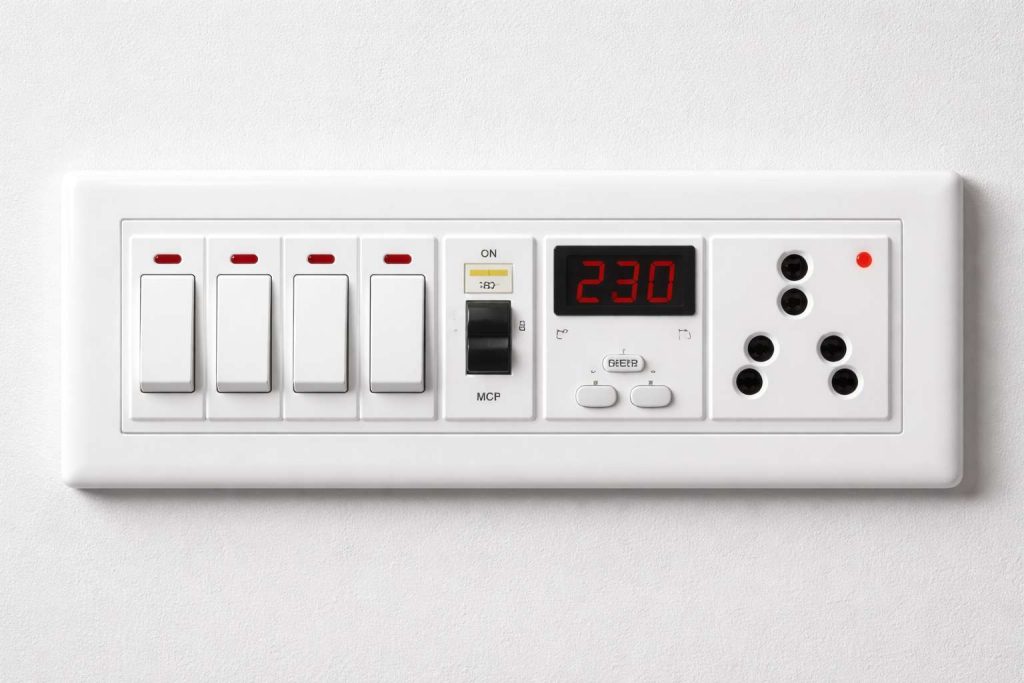
Differences Explained
Fuse boxes rely on outdated fuse technology that must be replaced after faults. Modern switchboards use resettable breakers and safety switches that respond faster and provide improved protection against overload and electric shock.
What Is an Old Fuse Box?
Old fuse boxes were once the standard for residential electrical systems. They protect circuits using ceramic fuses that contain a thin wire designed to melt when the current exceeds safe levels. When a fuse blows, it cuts power to prevent damage or fire. However, restoring power requires physically replacing the fuse, which can be inconvenient and unsafe if handled incorrectly.
What Is a Modern Switchboard?
A modern switchboard uses circuit breakers and safety switches instead of fuses. Circuit breakers automatically trip when a fault is detected and can be easily reset once the issue is resolved. Safety switches provide additional protection by detecting imbalances in electrical current and shutting off power instantly, reducing the risk of electric shock.
How Fuse Boxes Fall Short Today
Fuse boxes were designed for a time when homes used far fewer electrical appliances. Today’s households place significantly higher demands on electrical systems. Fuse systems may struggle with modern loads, leading to frequent blown fuses, overheating, and unreliable performance. They also lack the fast-response safety features found in modern systems.
Safety Differences That Matter
One of the biggest differences between fuse boxes and modern switchboards is safety. Fuse boxes do not provide the same level of protection against electric shock as safety switches. Modern switchboards are designed to respond quickly to faults, helping prevent injury and reducing the risk of electrical fires.
Convenience and Ease of Use
Replacing a blown fuse can be inconvenient and sometimes confusing. Incorrect fuse replacement can lead to further issues or safety risks. Modern circuit breakers are resettable with a simple switch, making them far more user-friendly and reducing downtime when faults occur.
Handling Modern Electrical Loads
Modern homes use multiple high-powered appliances, including air conditioners, ovens, and electronic devices. Switchboards are designed to handle these loads more effectively. Upgraded systems distribute power more evenly and reduce the likelihood of overload.
Compliance with Australian Standards
Electrical standards in Australia have evolved significantly over time. Many older fuse boxes do not meet current safety expectations, particularly regarding safety switch protection. Upgrading to a modern switchboard ensures compliance with current regulations and improves overall system safety.
Signs You May Still Have a Fuse Box
Homes with ceramic fuses, pull-out fuse carriers, or screw-in fuse holders are likely operating on an outdated system. Frequent fuse failures or difficulty sourcing replacement fuses are also common indicators. If these signs are present, a professional assessment is recommended.
Upgrade for Safety and Peace of Mind
Replacing an old fuse box with a modern switchboard is one of the most important electrical upgrades a homeowner can make. It improves safety, reduces risk, and supports modern electrical demands. Airmelec provides professional switchboard upgrades designed for Australian homes, helping homeowners enjoy safer and more reliable electrical systems.