
An air conditioner may need upgrading if it struggles to cool effectively, runs constantly, increases energy bills, or requires frequent repairs. Older systems often lose efficiency over time and may not suit modern energy standards. Poor airflow, uneven temperatures, and excessive noise are also signs of declining performance. Upgrading to a newer system improves comfort, reduces power use, and ensures reliable operation. A professional assessment can determine if replacement is the best option. Common signs include rising energy bills, poor cooling performance, uneven temperatures, strange noises, frequent breakdowns, and an ageing system. These indicate reduced efficiency and potential need for replacement.
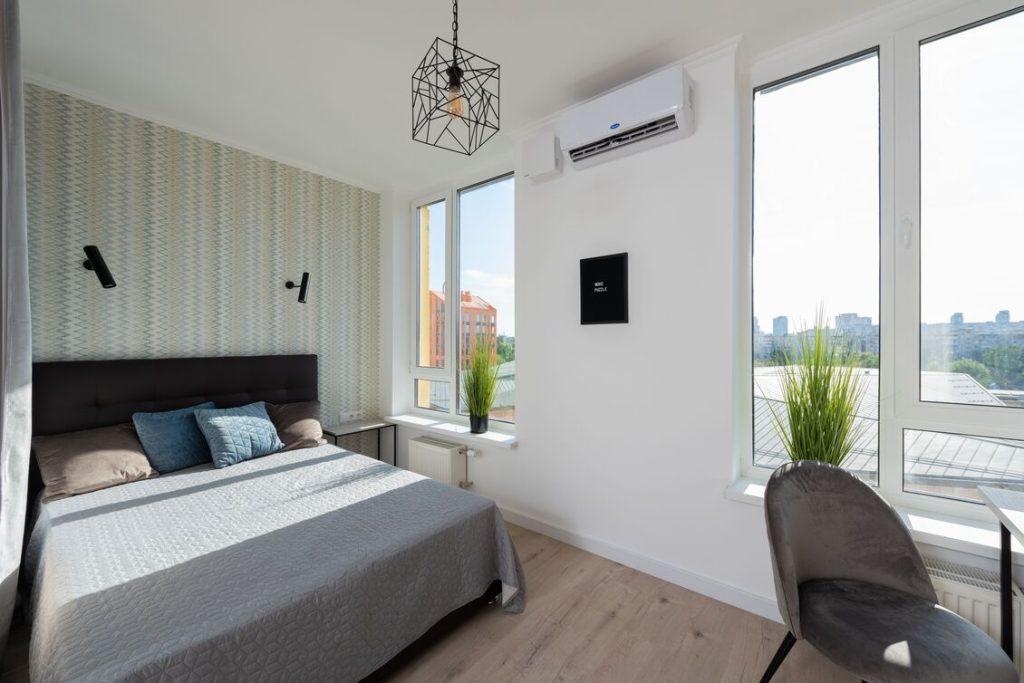
Why Air Conditioner Efficiency Matters
An efficient air conditioner keeps your home comfortable without excessive energy use. When a system loses efficiency, it must work harder to achieve the same result, leading to higher running costs and increased wear on components. In Australia’s climate, where cooling is used heavily during warmer months, efficiency plays a major role in both comfort and cost.
Rising Energy Bills Without Increased Use
One of the clearest signs of inefficiency is a steady increase in energy bills without any change in usage. As systems age, they become less effective and require more power to maintain the same temperature. Upgrading to a modern, energy-efficient system can significantly reduce ongoing costs.
Poor Cooling Performance
If your air conditioner struggles to cool rooms or takes longer than usual to reach the desired temperature, it may no longer be operating efficiently. Reduced performance is often caused by worn components, clogged systems, or outdated technology. For more information, read our guide on signs your air conditioner needs repair.
Uneven Temperatures Throughout the Home
Hot and cold spots around the home indicate poor airflow or inadequate system capacity. This is common in older systems that were not designed for the current layout or usage of the home. Modern systems provide more consistent temperature control across all areas.
Frequent Repairs and Breakdowns
If your air conditioner requires regular servicing or repairs, it may be nearing the end of its lifespan. Ongoing repair costs can quickly add up, making replacement a more cost-effective option. Reliable performance is essential, especially during peak summer periods.
Excessive Noise During Operation
Older air conditioners often become noisier over time. Unusual sounds such as rattling, buzzing, or grinding may indicate internal wear or mechanical issues. Newer systems are designed to operate more quietly, improving overall comfort.
Age of the System
Most air conditioning systems have a limited lifespan. As systems age, efficiency declines and components become less reliable. If your system is older and showing signs of wear, upgrading may be the best long-term solution.
Benefits of Upgrading to a Modern System
New air conditioning systems are designed with improved energy efficiency, better airflow, and advanced controls. They provide more consistent cooling while using less power. Modern systems also offer quieter operation and greater reliability, making them a worthwhile investment.
Stay Comfortable with an Efficient System
An efficient air conditioner improves comfort, reduces energy costs, and provides reliable performance when you need it most. Recognising the signs of inefficiency early helps you make informed decisions about upgrades.