
Old switchboards can cause frequent power trips, overloaded circuits, overheating, and increased fire risk. They may lack modern safety switches and struggle to handle today’s electrical demands. Outdated wiring and fuse systems can fail to protect against faults or electric shock. As appliances and power usage increase, ageing switchboards become unsafe and unreliable. Upgrading a switchboard improves safety, compliance, and electrical performance in Australian homes.
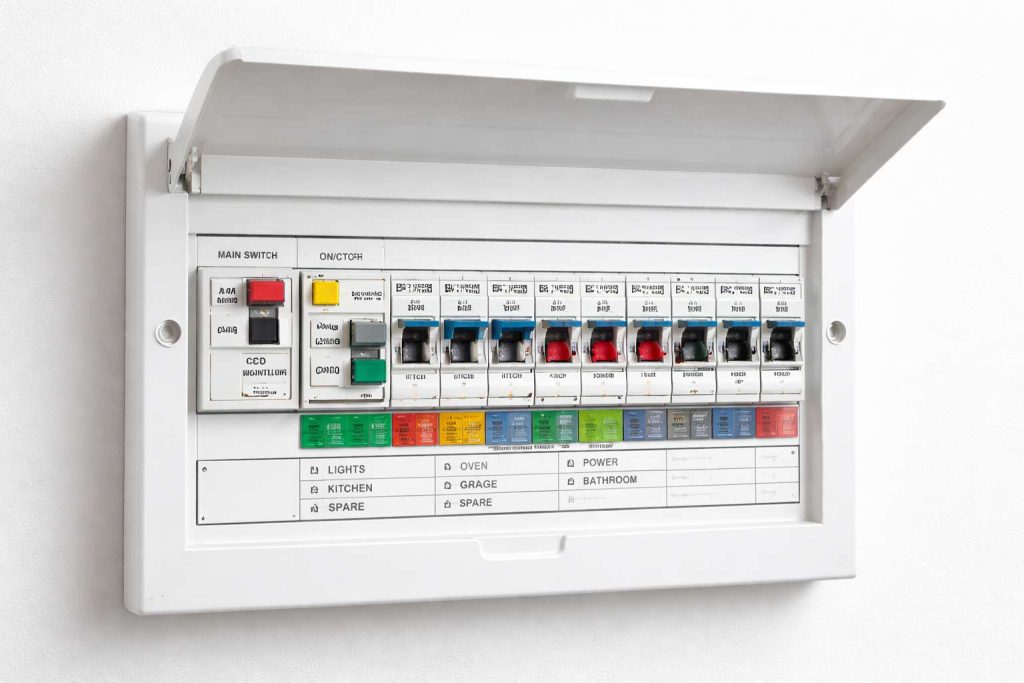
Warning Signs of an Ageing Switchboard
Frequent circuit trips, flickering lights, blown fuses, burning smells, outdated ceramic fuses, and a lack of safety switches are clear signs that a switchboard may be unsafe or overloaded. These issues indicate the system is not suited to modern electrical loads.
Why Switchboards Matter More Than You Think
The switchboard is the control centre of your home’s electrical system. It distributes power to every circuit and provides protection against overloads and faults. When the switchboard is outdated, the entire electrical system becomes vulnerable. Older homes across Australia were not designed to support today’s number of appliances, air conditioners, computers, and entertainment systems. This increased demand places significant stress on ageing switchboards.
Frequent Tripping and Blown Fuses
One of the most common signs of an old switchboard is regular power trips or blown fuses. Older fuse-based systems are not designed to handle high electrical loads. When multiple appliances run at once, circuits can overload. Frequent tripping is more than an inconvenience. It signals that the system is struggling and may not be providing adequate protection.
Overloaded Circuits
Modern homes rely on numerous high-powered appliances. Air conditioners, ovens, dishwashers, and charging devices all draw substantial power. Older switchboards were designed for far lower usage levels. Overloaded circuits can lead to overheating, damaged wiring, and an increased risk of electrical fire.
Lack of Safety Switch Protection
Many older switchboards do not include safety switches, also known as residual current devices. These devices quickly cut power when they detect an electrical fault, reducing the risk of electric shock. Without safety switch protection, occupants are exposed to greater danger in the event of damaged wiring or faulty appliances.
Overheating and Fire Risk
Outdated switchboards can overheat due to loose connections, worn components, or inadequate circuit capacity. Heat buildup inside the board may not be visible, but can pose a serious fire risk. Burning smells, discolouration, or crackling sounds are urgent warning signs that should be assessed immediately by a licensed electrician.
Incompatibility with Modern Appliances
New appliances often require a stable power supply and adequate circuit capacity. Older switchboards may not distribute power evenly, leading to flickering lights, inconsistent performance, or nuisance tripping. Upgrading the switchboard improves reliability and ensures compatibility with modern electrical systems.
Insurance and Compliance Concerns
Electrical systems that do not meet current safety expectations may create issues with insurance coverage in the event of a fire or electrical incident. Maintaining an up-to-date switchboard helps ensure compliance and peace of mind. Switchboard upgrades are often recommended during renovations or when installing major appliances to ensure the system remains safe and compliant.
Protect Your Home with a Switchboard Upgrade
Old switchboards are a common source of electrical issues in Australian homes. Addressing problems early reduces the risk of serious faults and improves overall system performance. Airmelec provides professional switchboard upgrades designed to meet current Australian Standards, helping homeowners enjoy safer, more reliable electrical systems.