
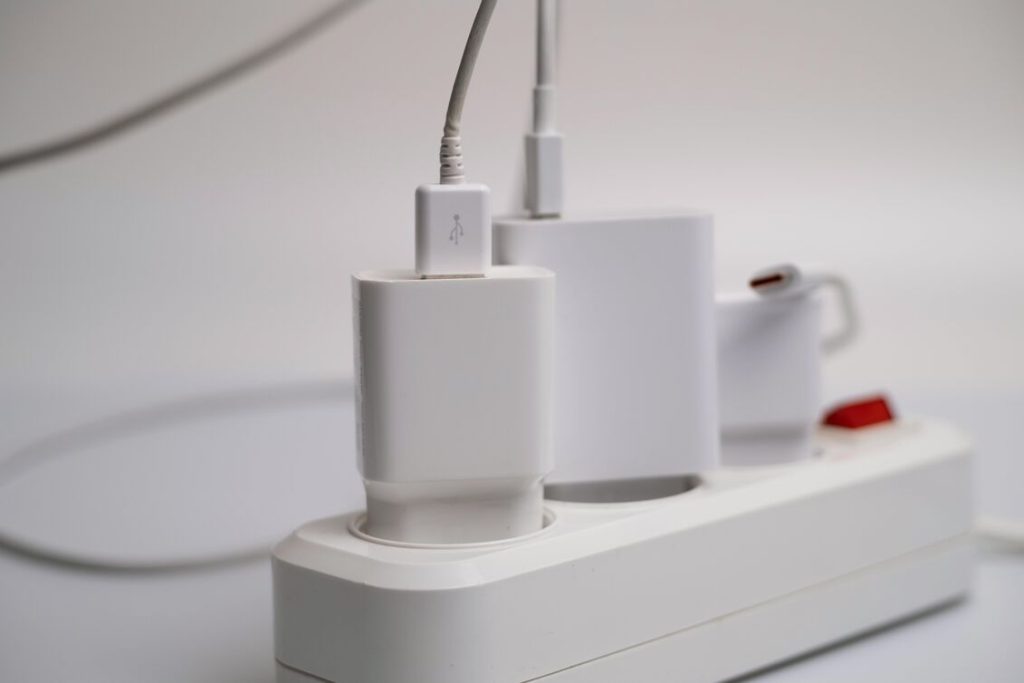
Overloaded power boards are dangerous because they can overheat, fail, or start electrical fires. Plugging too many appliances into one power board places excessive strain on wiring and internal components. This can lead to melting, sparking, or sudden power failure. High-wattage appliances such as heaters, kettles, and microwaves increase the risk even further. Using power boards incorrectly is a common cause of household electrical hazards. Safe electrical design and proper power point installation reduce these risks.
Key Risks to Know
Overloaded power boards increase the risk of electrical fires, damaged appliances, overheating, and power outages. They often hide underlying electrical limitations and encourage unsafe power usage habits within the home.
Why Power Boards Are Commonly Overloaded
Power boards are often used as a quick fix when there are not enough power points. Over time, more appliances are added to the same board, increasing the electrical load beyond what it was designed to handle. Modern homes rely on many high-powered devices, including televisions, computers, kitchen appliances, and charging equipment. When these are all plugged into a single power board, the risk increases significantly.
How Overloading Causes Electrical Fires
When a power board is overloaded, electrical current increases beyond safe levels. This generates excess heat inside the board and connected cables. If heat cannot dissipate properly, plastic components can melt, and internal wiring can fail. Electrical fires caused by power boards often start silently and spread quickly, especially when boards are hidden behind furniture or under desks.
High-Risk Appliances That Should Never Share Power Boards
Some appliances draw far more power than others. Heaters, air conditioners, kettles, toasters, and microwaves place heavy loads on electrical circuits. Plugging these into power boards, especially alongside other devices, significantly increases danger. These appliances should be connected directly to wall-mounted power points that are designed to handle higher loads safely.
Hidden Warning Signs of an Overloaded Power Board
Overloaded power boards do not always fail immediately. Warning signs often appear first but may be ignored. These include warm or hot power boards, buzzing sounds, flickering power, scorch marks, or a burning smell. If any of these signs are present, the power board should be unplugged and inspected immediately.
Why Cheap Power Boards Increase Risk
Low-quality power boards may lack adequate internal protection. Some do not include proper overload protection, surge protection, or heat-resistant materials. Using poor-quality boards increases the likelihood of failure, especially when used continuously or under heavy load.
Power Boards Are Not a Permanent Solution
Power boards are designed for temporary or low-load use. Relying on them as a permanent solution often indicates that a home does not have enough power points for modern living. Using multiple power boards connected together, known as daisy-chaining, further increases the risk and should always be avoided.
Safer Alternatives to Overloading Power Boards
The safest solution is to install additional power points where they are needed. This reduces reliance on power boards and ensures appliances are connected directly to the electrical system. Modern power point installations can be designed to handle higher loads, improve convenience, and reduce clutter and risk.
Protect Your Home from Electrical Hazards
Overloaded power boards are a common but preventable electrical danger. Understanding the risks and using safer alternatives helps protect people, property, and appliances. Airmelec provides professional electrical services for Australian homes, including power point upgrades and safety assessments, helping households reduce risk and improve everyday electrical safety.