
Table of Contents
- Why Energy-Efficient Air Conditioning Upgrades Matter
- Understanding Reverse-Cycle Air Conditioning Systems
- The efficiency advantage is substantial:
- Air Conditioner Sizing: Getting It Right for Your Home
- Air Conditioner Energy Ratings and Efficiency Standards
- Air Conditioning Maintenance to Maximise Efficiency
- Government Rebates and Upgrade Incentives
- Practical Upgrade Checklist and Next Steps
- Frequently Asked Questions
Last Updated: October 11, 2026
Why Energy-Efficient Air Conditioning Upgrades Matter
Rising electricity costs make energy consumption a real concern for Australian households. The good news: upgrading to an energy-efficient air conditioning system can cut those costs significantly while improving home comfort year-round.
Energy-efficient air conditioning isn’t just about saving money. It’s about choosing systems that deliver better cooling performance with less strain on your home’s electrical infrastructure.
Most people don’t realise that older air conditioning units waste energy through poor insulation, inefficient compressors, and outdated refrigerant technology. A modern energy-efficient system works harder for less power.
Understanding Reverse-Cycle Air Conditioning Systems
A reverse-cycle air conditioner is a heat pump system that both cools and heats your home. In summer, it removes heat from inside and pushes it outdoors.
This technology is highly efficient because it moves heat rather than generating it. Moving heat uses far less energy than creating warmth with electric resistance.
The efficiency advantage is substantial:
- Cooling performance remains consistent from room to room
- Modern units operate quietly with variable-speed compressors
- Smart controls let you set different temperatures for different zones
Reverse-cycle systems work best when properly sized and installed. An undersized unit runs constantly without reaching your target temperature. An oversized unit cycles on and off too frequently, wasting energy and reducing component lifespan.
Air Conditioner Sizing: Getting It Right for Your Home
Correct sizing is the single most important factor in system performance and lifetime cost. An air conditioner that’s too small struggles to cool your space and runs constantly, driving up electricity bills. One that’s too large cycles inefficiently, wastes energy, and costs more to run and maintain. Getting the size right means balancing upfront cost, running efficiency, and long-term payback.
Size is measured in kilowatts (kW) of cooling capacity. The only way to know what your home actually needs is a proper heat load assessment performed by a licensed technician.
Heat Load Assessment and Room-Specific Calculations
A heat load assessment calculates how much cooling or heating your space requires based on several factors:
- Room dimensions: Larger spaces need more capacity
- Insulation quality: Well-insulated homes lose less conditioned air; poorly insulated homes demand higher capacity
- Window size and orientation: North-facing windows gain more solar heat; south-facing windows gain less
- Outdoor temperature extremes: Hotter climates demand higher capacity; cooler regions need less
- Number of occupants and heat-generating appliances: More people and equipment (ovens, computers, lighting) increase cooling demand
- Building materials and thermal mass: Brick, tile, and concrete absorb and release heat differently than lightweight materials
- Shading and external structures: Trees, awnings, and neighbouring buildings affect solar gain
Professional technicians use standardised calculation methods to determine the exact capacity your home needs. Guessing at size leads to poor performance, higher energy bills, and premature system failure. This is where many DIY approaches fail, they ignore critical variables unique to your home.
Whole-of-Life Cost: Purchase, Running, and Maintenance
When comparing air conditioning systems, consider the total cost over the system’s lifespan, not just the purchase price.
| Cost Category | 2 kW System (Bedroom) | 5 kW System (Living Area) |
|---|---|---|
| Purchase price | £1,200-1,800 | £2,500-4,000 |
| Installation | £800-1,200 | £1,200-1,800 |
| Annual running cost (4-star system, 8 hrs/day, 120 days/year) | £180-240 | £450-600 |
| Annual maintenance (filter, annual service) | £100-150 | £100-150 |
| 10-year total cost | £3,700-5,200 | £7,700-11,300 |
How efficiency rating affects running costs:
Payback period calculation:
To estimate how long it takes to recoup your investment through energy savings:
- Calculate your current annual cooling/heating cost (check your electricity bill)
- Estimate the new system’s annual cost using the energy label’s consumption figure
- Subtract the new cost from the old cost to find annual savings
- Divide the total upgrade cost (purchase + installation minus any rebate) by annual savings
Example:
Sizing Trade-Offs: Capacity vs. Cost
A slightly oversized system (10-15% above calculated need) can be justified in certain situations:
- Hot climate or extreme outdoor temperatures: Extra capacity ensures your home stays comfortable during peak heat
- Poor insulation: If upgrading insulation is not planned, extra capacity compensates for heat loss
- Future-proofing: If you plan to extend the home or add heat-generating equipment, slight oversizing avoids a second upgrade
However, oversizing beyond 20% wastes money on purchase, installation, and running costs without proportional comfort gains. An undersized system is worse, it will never reach your target temperature and will run continuously, driving electricity costs up and component lifespan down.
The right approach: Work with your installer to calculate the precise heat load, then discuss whether a 5-10% buffer is justified for your climate and home condition. This balance maximises efficiency and minimises lifetime cost.
Air Conditioner Energy Ratings and Efficiency Standards
Energy ratings tell you how efficiently a system converts electricity into cooling or heating.
Higher ratings mean better efficiency. A system rated 5.0 CCI delivers significantly more cooling per kilowatt than one rated 3.0 CCI. Over a year of operation, that difference compounds into real savings on your electricity bill.
When comparing systems, always check the energy label. It shows:
- Cooling capacity in kilowatts
- Energy rating (typically 1-5 stars, with 5 being most efficient)
- Annual energy consumption estimate
- Noise level in decibels
Modern energy-efficient systems typically carry 4 or 5 star ratings. These units use advanced compressor technology, better refrigerants, and smarter controls to minimise waste. The upfront cost is higher, but the running cost savings justify the investment over the system’s 10-15 year lifespan.
Air Conditioning Maintenance to Maximise Efficiency
Regular maintenance keeps your system running at peak efficiency. A well-maintained air conditioner uses less energy and lasts longer.
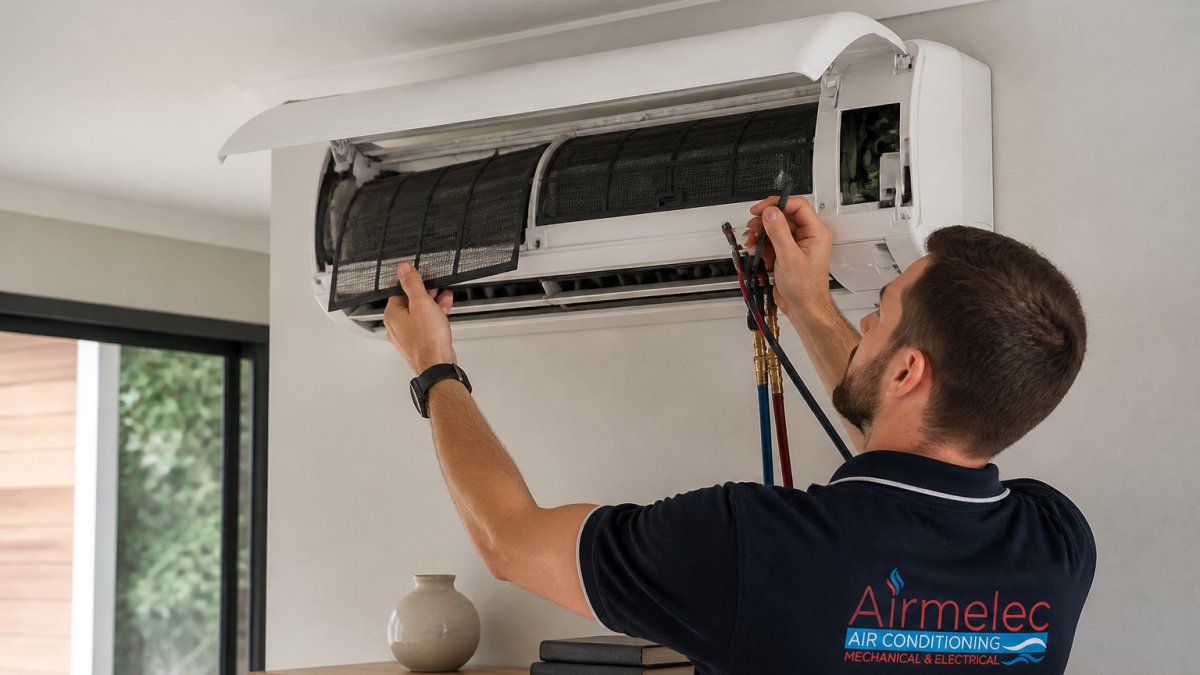
Essential maintenance tasks:
- Clean or replace filters monthly: Clogged filters force the system to work harder
- Check refrigerant levels annually: Low refrigerant reduces cooling capacity and efficiency
- Inspect outdoor condenser coils: Dirt and debris block heat transfer
- Test thermostat accuracy: A faulty thermostat causes unnecessary cycling
- Check ductwork for leaks: Sealed ducts prevent conditioned air loss
- Clean indoor vents and grilles: Blockages reduce airflow
Most homeowners can handle filter cleaning. Everything else should be done by a licensed technician. Annual servicing costs far less than emergency repairs or replacing a failed compressor. It also keeps your warranty valid.
Government Rebates and Upgrade Incentives
Several government schemes help offset the cost of upgrading to energy-efficient air conditioning. These rebates and loans make modern systems more affordable, but eligibility and application processes vary significantly by state and program. Understanding how each scheme works, and whether your home qualifies, is essential before committing to an upgrade.
Victorian Energy Upgrades Program
The Victorian Energy Upgrades program provides rebates for households upgrading to energy-efficient heating and cooling systems. The rebate amount depends on the system you choose, its efficiency rating, and your current setup.
Eligibility criteria:
- Your home must be in Victoria
- The property must be owner-occupied (or in some cases, rental properties with landlord consent)
- Your existing heating or cooling system must meet age or efficiency thresholds set by the program
- The replacement system must achieve a minimum efficiency rating (typically 4 or 5 stars)
- Reverse-cycle air conditioning systems are eligible if they replace electric resistance heating, gas heating, or inefficient older air conditioning
How the rebate works:
The rebate is applied as a discount at the point of installation. Your installer submits the application on your behalf, and the rebate reduces your out-of-pocket cost immediately.
Payback period:
When combined with running-cost savings, most households recoup the remaining system cost within 5-8 years of operation. Exact payback depends on your current system’s efficiency, local electricity rates, and usage patterns.
NSW Home Energy Saver Loan
The NSW Government’s Home Energy Saver Loan offers 0% interest financing for approved energy-efficient upgrades, including air conditioning systems.
Eligibility criteria:
- Your home must be in NSW
- The property must be owner-occupied
- Your household income must fall within defined thresholds (check the NSW Government website for current limits)
- The air conditioning system must be from an approved supplier and meet minimum efficiency standards
- Installation must be carried out by an accredited installer
How the loan works:
The loan covers the full cost of the system and installation. Repayment terms extend up to 10 years, with no interest charged. Monthly repayments are typically lower than the electricity savings you’ll achieve, meaning the system effectively pays for itself over the loan term. Your installer can handle the application process and coordinate loan approval, removing administrative burden.
Real-world example:
Queensland, South Australia, and Western Australia Programs
Other states operate their own schemes with different structures:
- Queensland Energy Efficient Homes: Direct rebate for approved air conditioning systems; eligibility based on system efficiency and property type.
- South Australia Home Battery Scheme: Includes cooling upgrades alongside battery storage; rebates available for households meeting income and property criteria.
- Western Australia Energy Assistance Program: Rebates for eligible households; application through the state energy regulator.
Each program has different eligibility thresholds, rebate amounts, and application timelines. Some require pre-approval before purchase; others reimburse after installation.
How to Check Your Eligibility
The fastest way to determine which rebates apply to your home is to:
- Contact your state’s energy regulator or visit their website for current program details
- Provide your postcode, property type (house, apartment, etc.), and current heating/cooling system details
- Ask your installer, licensed technicians are familiar with local rebate schemes and can advise which programs your home qualifies for
- Request a quote that itemises the rebate amount and how it will be applied
Many installers will handle the rebate application as part of the upgrade process, so you don’t need to navigate the bureaucracy yourself. However, always confirm that your chosen installer is accredited under the relevant scheme before signing a contract.
Practical Upgrade Checklist and Next Steps
Before upgrading, work through this checklist to ensure you’re making the right decision:
- Identify your current system’s age and condition
- Get a professional heat load assessment for your home
- Compare energy ratings of systems in your budget range
- Check rebate eligibility for your state
- Obtain quotes from at least two licensed installers
- Verify the installer’s licence and insurance
- Confirm warranty terms (parts and labour coverage)
- Ask about maintenance plans and ongoing support
- Review financing options, including government loans
- Schedule installation during mild weather if possible
The upgrade process typically takes 2-4 weeks from quote to completion. Professional installation is critical.
When you’re ready to move forward, Air Conditioning & Electrical provides free quotes and handles all the technical details. We assess your home’s cooling needs, recommend the right system size, explain your rebate options, and manage installation from start to finish. Our team of fully licensed technicians ensures your new system is commissioned properly and running at peak efficiency.
Frequently Asked Questions
What is the difference between a standard air conditioner and an energy-efficient air conditioning upgrade?
Energy-efficient air conditioning systems use advanced compressor technology, improved refrigerants, and better insulation to deliver the same cooling output with significantly lower electricity consumption. The difference translates to lower running costs and reduced household energy use over the system’s lifetime.
How does reverse-cycle air conditioning help with year-round comfort?
Reverse-cycle air conditioning provides both heating and cooling by reversing the refrigerant flow. In winter, the system extracts heat from outside air and transfers it indoors; in summer, it removes indoor heat. This dual functionality eliminates the need for separate heating systems, reduces overall energy consumption, and ensures consistent home comfort throughout the year.
What should I check before upgrading my air conditioning system?
Before upgrading, assess your current system’s age and repair history, have a professional evaluate your home’s heat load and insulation, check your eligibility for government rebates, review your electricity bills to understand current consumption, and ensure proper air conditioner sizing for your space. Professional installation and commissioning are critical to achieving the efficiency gains your new system promises.
Are there hidden fees with 0% interest finance for energy-efficient air conditioning upgrades?
Legitimate 0% finance schemes through approved programs typically have transparent terms with no hidden fees, though you should verify eligibility criteria and any applicable establishment costs. Always request a detailed quote that itemises installation, equipment, and finance terms before committing. Ask your installer about specific conditions and repayment schedules to ensure you understand the full cost structure.
Upgrading to energy-efficient air conditioning requires careful planning, but the payoff is substantial. Lower electricity bills, improved comfort, and reduced environmental impact make it a smart investment for any household. Get in touch with Air Conditioning & Electrical today for a free assessment and quote. We’ll help you choose the right system, navigate available rebates, and handle installation with the professional expertise your home deserves.